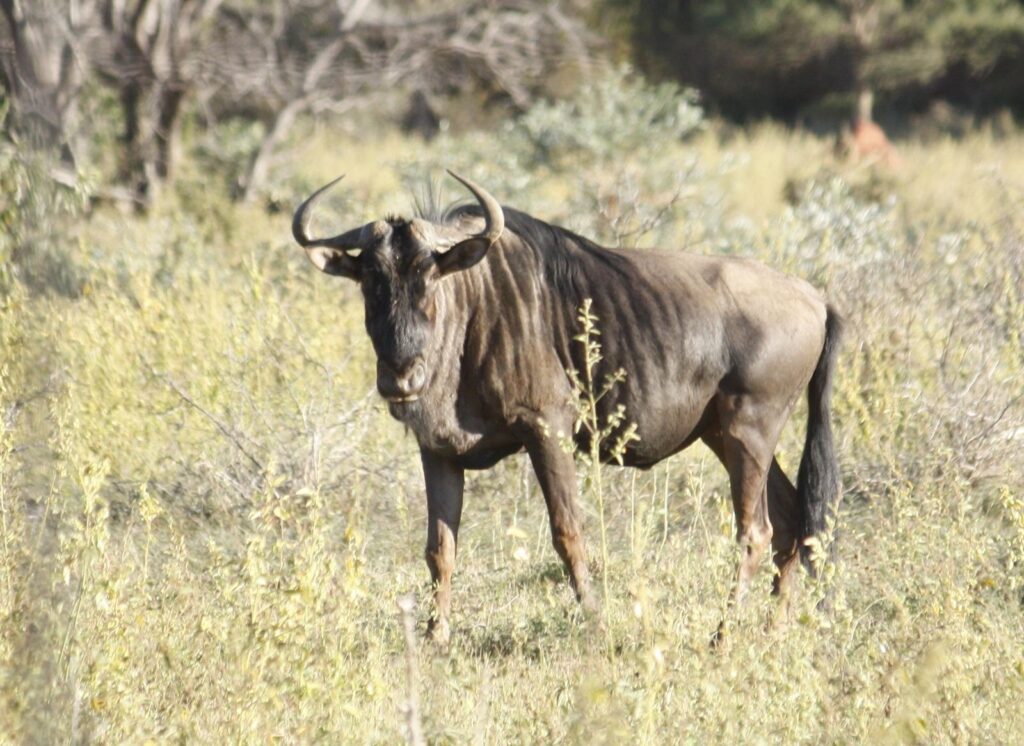
The Great Migration isn’t a single event. More than a million wildebeest, along with zebra and gazelle, move in a loop around the Serengeti in Tanzania and the Maasai Mara in Kenya all year, following the rain and fresh grass. The question isn’t when to go, but where to be in the month you travel.
A rough calendar
- December to March: southern Serengeti. The herds gather on the short-grass plains around Ndutu. Calving peaks around February, when thousands of calves are born within a few weeks. Predators follow closely.
- April and May: on the move. The long rains arrive and the herds start heading north and west. It’s a quieter, greener and often cheaper time to travel, although some camps close.
- June and July: western corridor and central Serengeti. The herds cross the Grumeti River and spread north. Crocodiles wait in the river.
- July to October: northern Serengeti and the Maasai Mara. The famous Mara River crossings happen in this window, as the herds move back and forth between Tanzania and Kenya. It’s the busiest and most expensive season.
- November: heading south again. The short rains begin and the herds start moving back towards the southern Serengeti.
Why no calendar is exact
The animals follow the rain, not dates. In a dry year they may move early; in a wet year they linger. River crossings can’t be booked either: a herd might gather on the bank for days and then cross in minutes. That’s why we plan migration trips around flexible game drives and camps that move with the season, rather than a fixed day at the river.
Kenya or Tanzania?
For July to October, either works, and many trips include both. From December to March, Tanzania is the place, because the herds are in the south. Our 8-day Kenya and Tanzania migration safari can be shaped around whichever month you’re travelling.
Tell us your dates and we’ll tell you where the herds are likely to be.